
How to Scale Autonomy Across Existing Fleets
The logistics world is moving faster than ever, with an immense number of shipments being made each day, and trends in the trucking industry are pushing operators toward automation. Amid a growing and unavoidable workforce shortage, many of these unrealistic timelines put higher expectations on those remaining.
As demand rises and the challenges of traditional trucking grow, the industry’s attention has naturally shifted toward autonomous solutions.
And for good reason. By eliminating human fatigue, enhancing response time, and improving driving reliability, autonomous vehicles make transportation safer for everyone on the road and create more efficient, fulfilling workflows across the transportation ecosystem worldwide.
By shifting focus to safe, smart, and robust autonomous driving technology, workforce gaps are addressed, allowing people to focus on higher-value work.
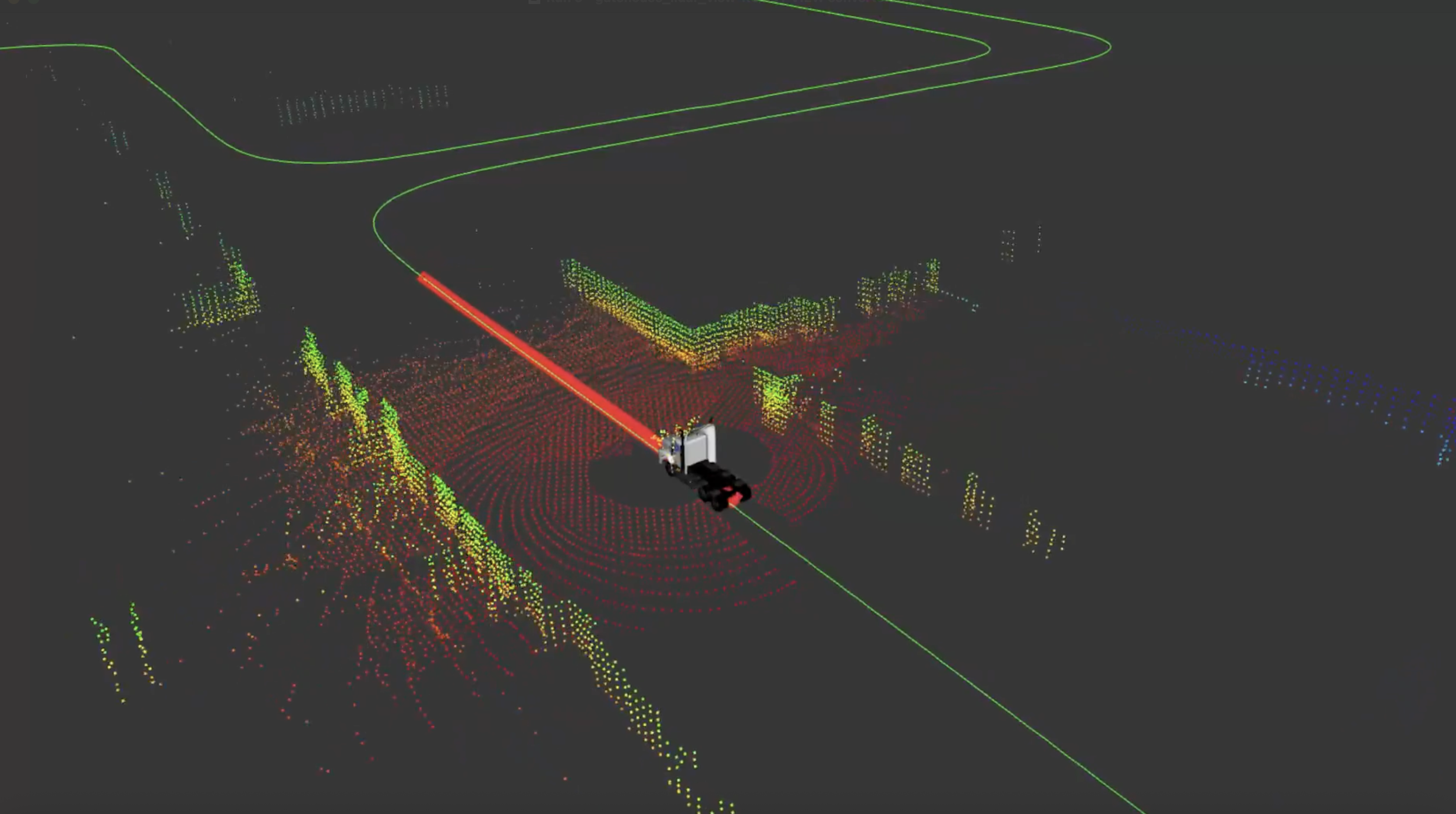
Figure 1. Truck’s Lidar Perception on its surrounding environment
But the future can’t wait for the gradual, one-by-one integration of autonomous vehicles.
Many existing autonomous solutions rely on singular vehicle acquisitions, resulting in financial and supply constraints that limit availability at scale.
Deploying autonomy as a standalone solution or buying each individual can be insufficient, particularly for customers with substantial existing fleets that have already been a major investment.
Wherever current trucks continue to operate effectively, the business case for how to replace them outright is rather limited. Moreover, a new-vehicle-only approach might impose an unrealistic adoption timeline, as procurement and integration cycles delay the realization of operational benefits.
To truly unlock the value that companies expect from reduced operational costs, safer roads, faster movement of goods, and meaningful increases in monetary value, we have to think beyond simply adding autonomy to an abundance of fleets.
In autonomous trucking, the real breakthrough is not the demo. It is a scalable deployment. The impact becomes transformational when it can run sustainably across fleets, lanes, and conditions.
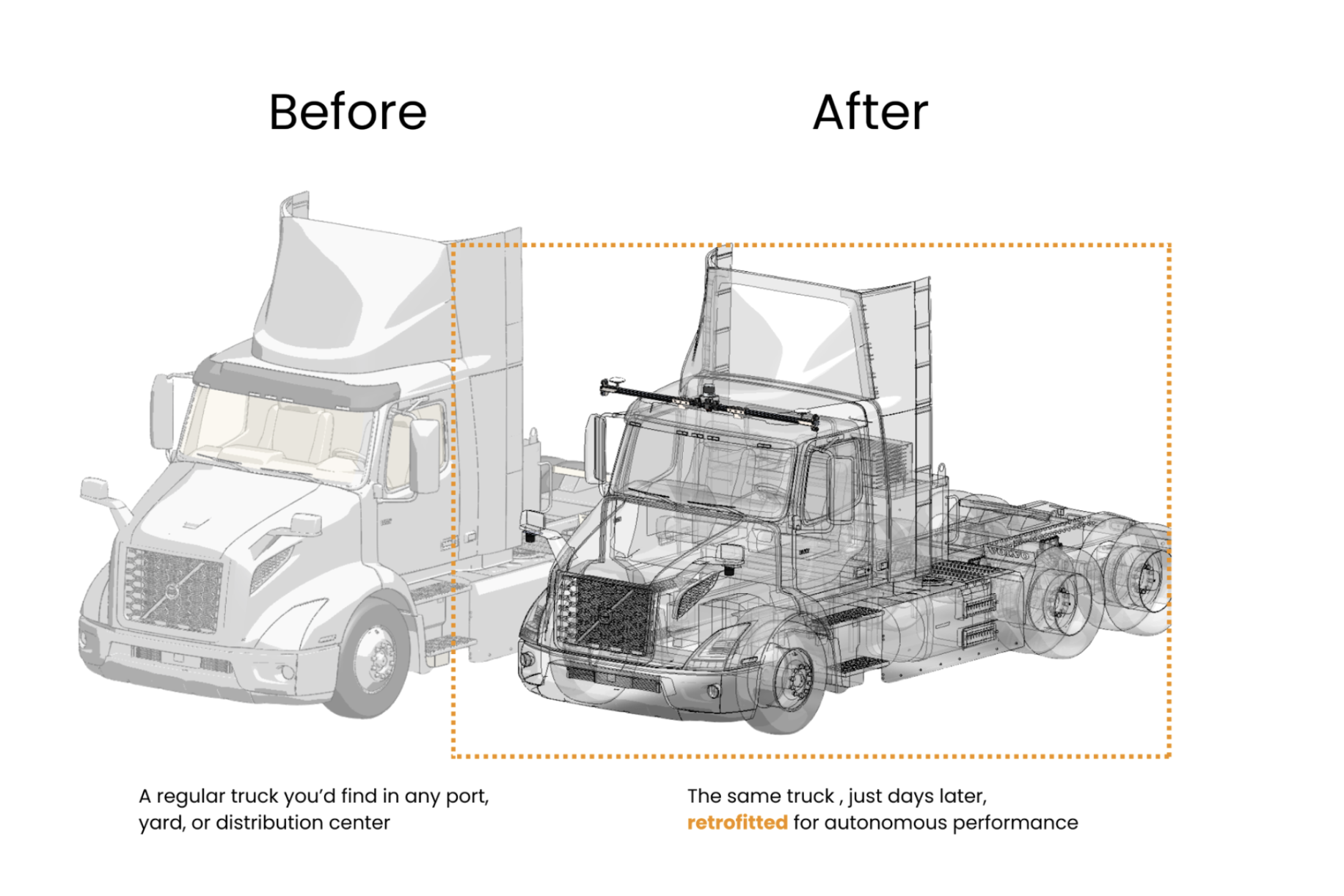
Figure 2. On the left, an average truck and on the right, is the same exact truck but now optimized with NuPort technology
Where NuPort Sees the Real Engineering Challenge
This is where our entire mission at NuPort begins. Autonomy isn’t just a hardware problem, and it’s definitely not solved by waiting for companies to replace their entire fleet with new “AV-ready” trucks.
Instead, we see autonomy as an engineering and software challenge: one that can be solved by taking trucks that companies already rely on every day and making them autonomous in a way that doesn’t require changing the entire infrastructure they’ve built their operations around.
It’s the only way we can deploy autonomy at scale, quickly, cost-effectively, without slowing down ongoing logistics and allowing companies to save capital for other priorities.
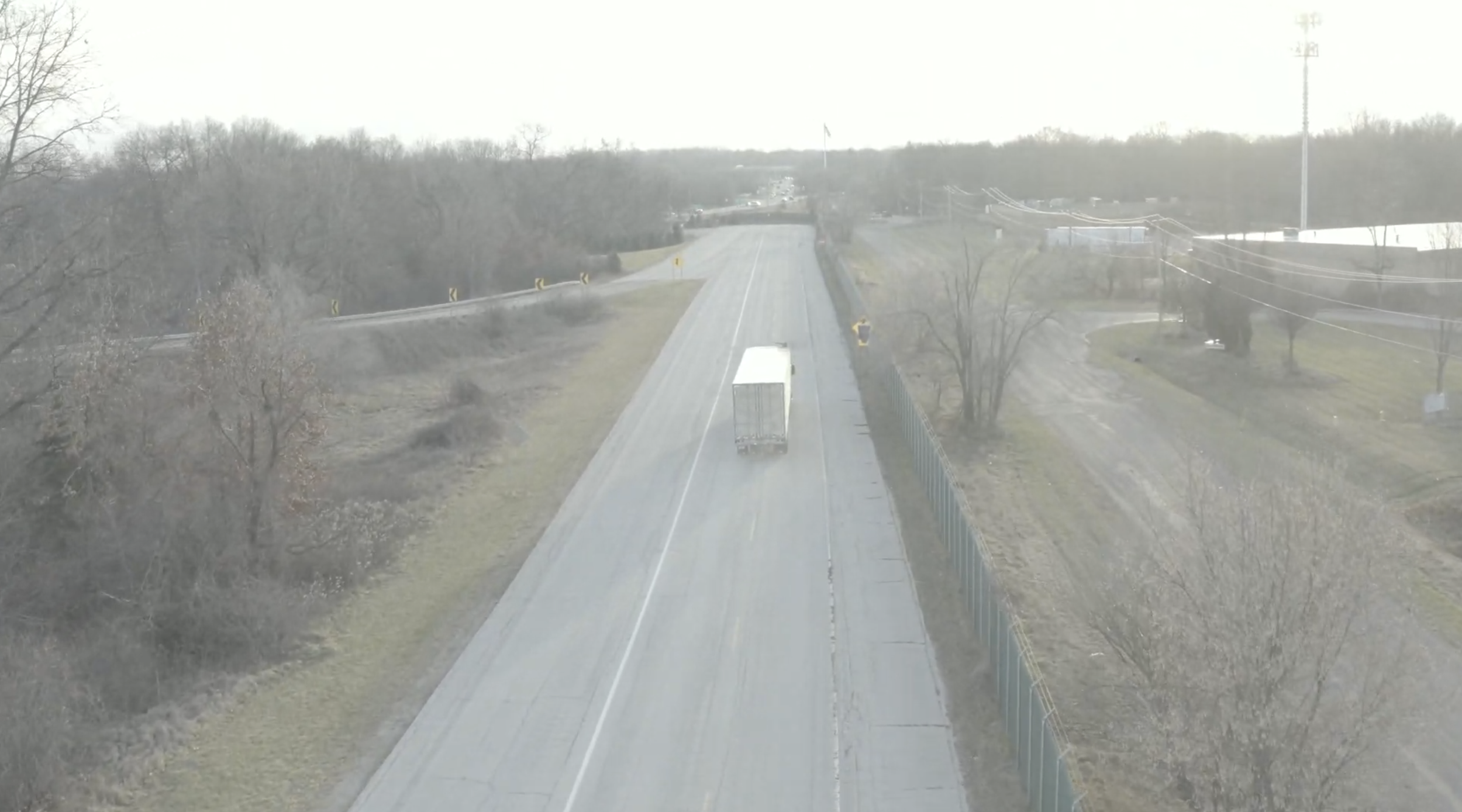
Figure 3. NuPort truck operating on a private site
Retrofitting: The Fastest Path to Real Scale
Using what already exists as a template, our focus is primarily on perfecting our systems to respond safely, swiftly, and accurately.
That’s why the NuApproach is upgrading current fleet ecosystems.
By retrofitting rather than replacing, companies can test autonomy in a single truck, gather real-world data immediately, and experience the operational benefits firsthand.
And because their infrastructure stays the same - same facilities, same workflows, same fleet, we’re able to take the learnings from one truck and replicate that success across many. What starts as one autonomous truck becomes ten, then twenty, then entire fleets, all within a dramatically shorter time frame.
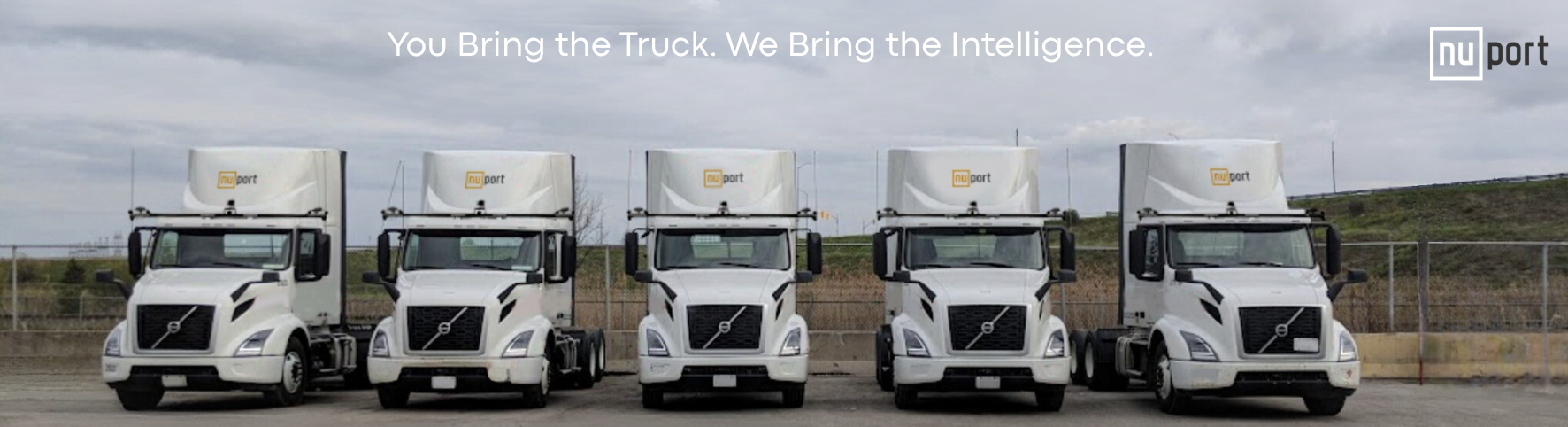
Figure 4: 5 retrofitted NuPort trucks in a row.
Scalability is a part of our product
At NuPort, owning a truck means you’re already halfway there to autonomy. The real innovation comes from the product, engineering, and software layers we’ve built, technology designed to perform and scale.
Our mission isn’t just to introduce autonomy; it’s to introduce autonomy that is realistic and can multiply. Autonomy that integrates seamlessly.
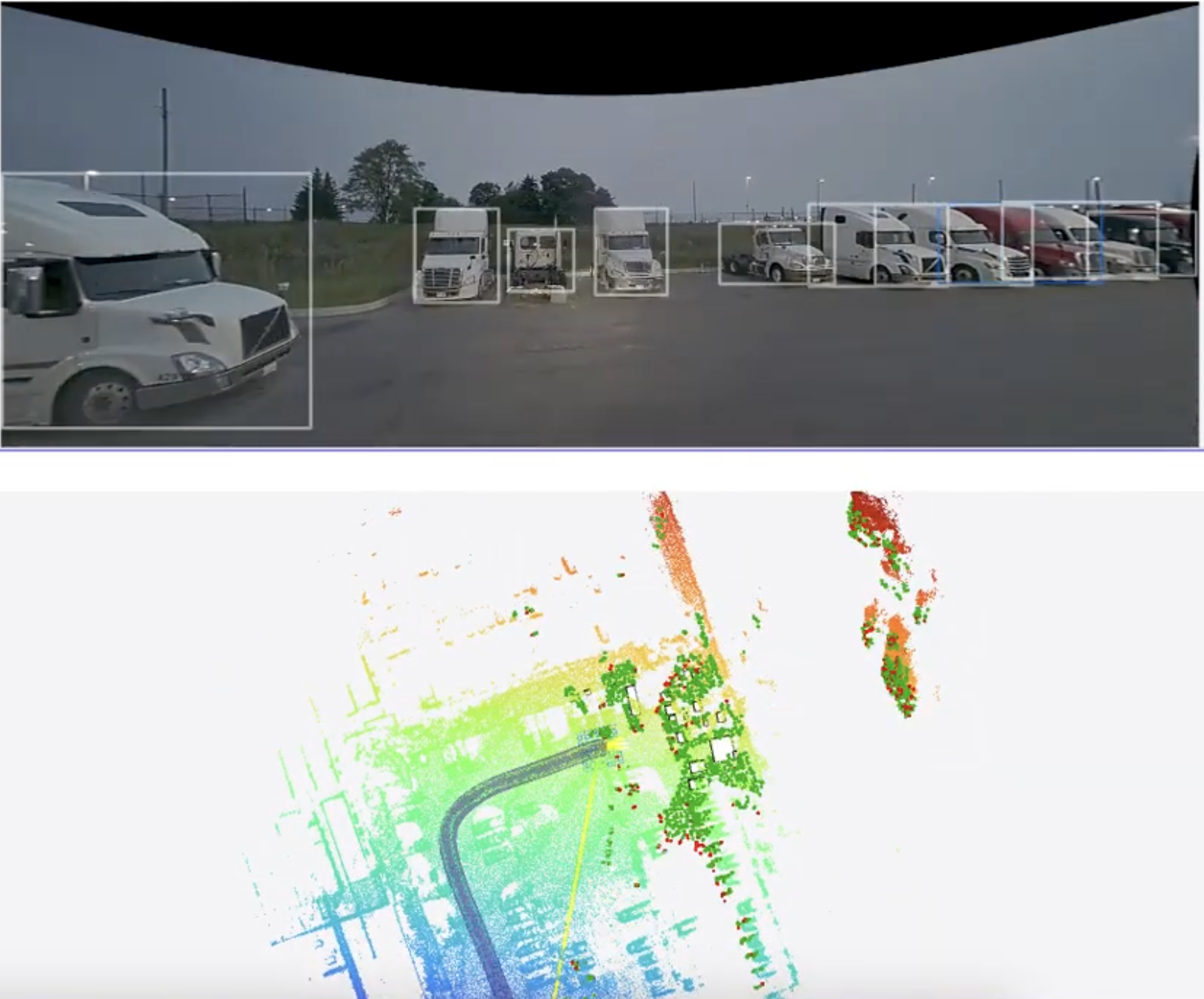
Figure 5: NuPort technology scans its surroundings heavily, understanding the entire environmental landscape
Autonomy that grows with companies, not against them, and that’s why the future of logistics won’t be defined by a single autonomous vehicle. It will be defined by how fast we can scale them.