
Advancing Autonomous Forestry with FPInnovations: Continued Progress at Domtar
Our collaboration with FPInnovations continues to advance autonomous forest product transportation from early-stage validation towards sustained, real-world performance.
Building on earlier phases of testing, our recent testing at Domtar marked another important step in that journey. Spanning December and January, this phase focused on operating autonomously within a diverse range of active forestry workflows, expanding exposure to real operating conditions, and inviting both partners and regulators to observe the system in motion.
We are not simply testing autonomous capability. We are investigating its integration into live environments and demonstrating how it performs under the same conditions that define day-to-day forestry operations.
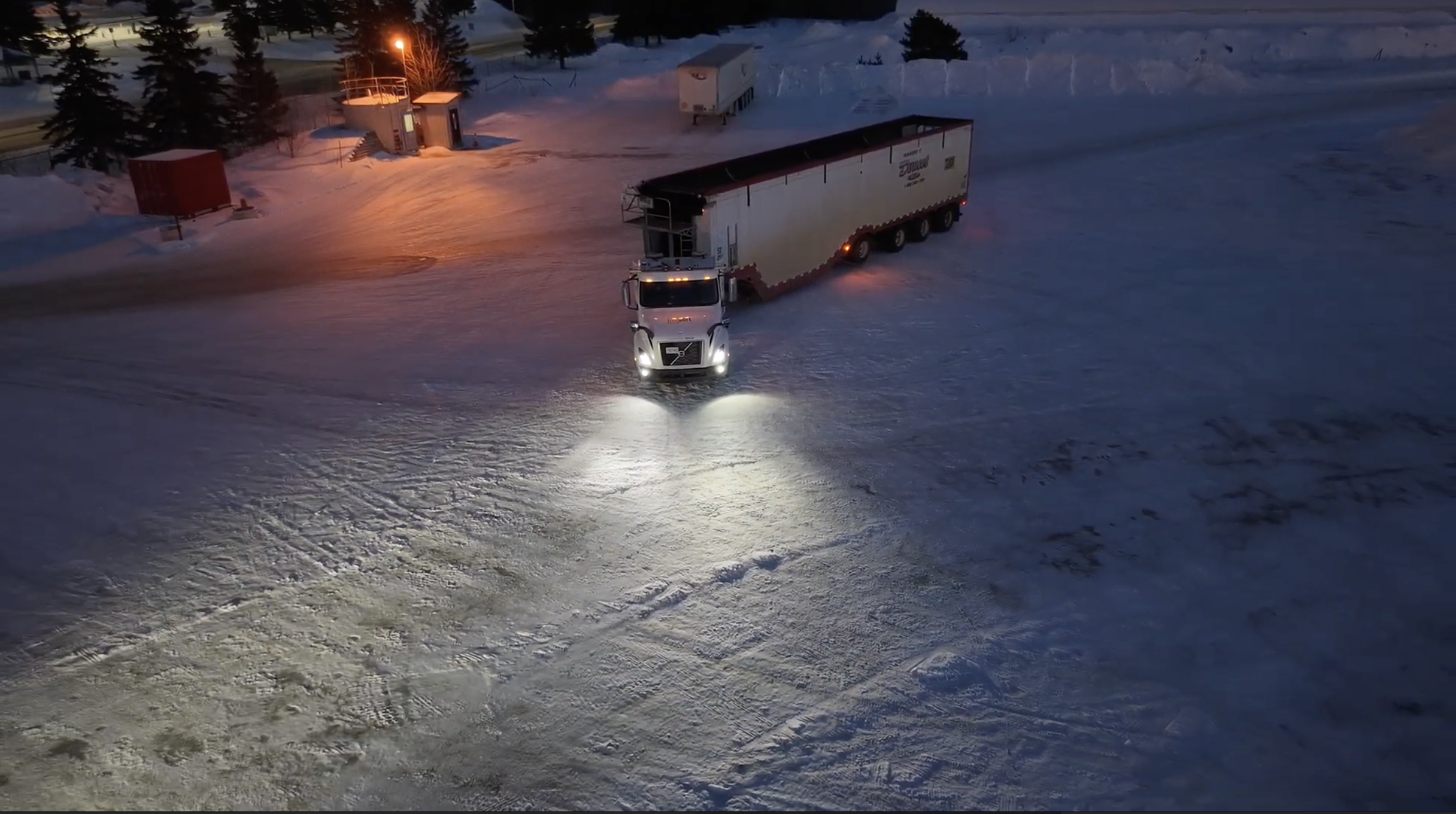
Figure 1: NuPort truck operating at night hauling forestry product for Domtar
Throughout this deployment our team conducted sustained autonomous runs over the course of 37 operational hours, the system completed approximately 1,500 kilometers of driving in temperatures reaching as low as -41°C, reflecting the real environmental demands of winter hauling. Testing included autonomous hauling under commercial conditions, extended route execution, and vast bridge crossings.
Because this work was conducted within existing fleet and infrastructure ecosystems, autonomy was not isolated to a controlled environment. It operated within real terrain variability, real logistics coordination, and real workflow demands.
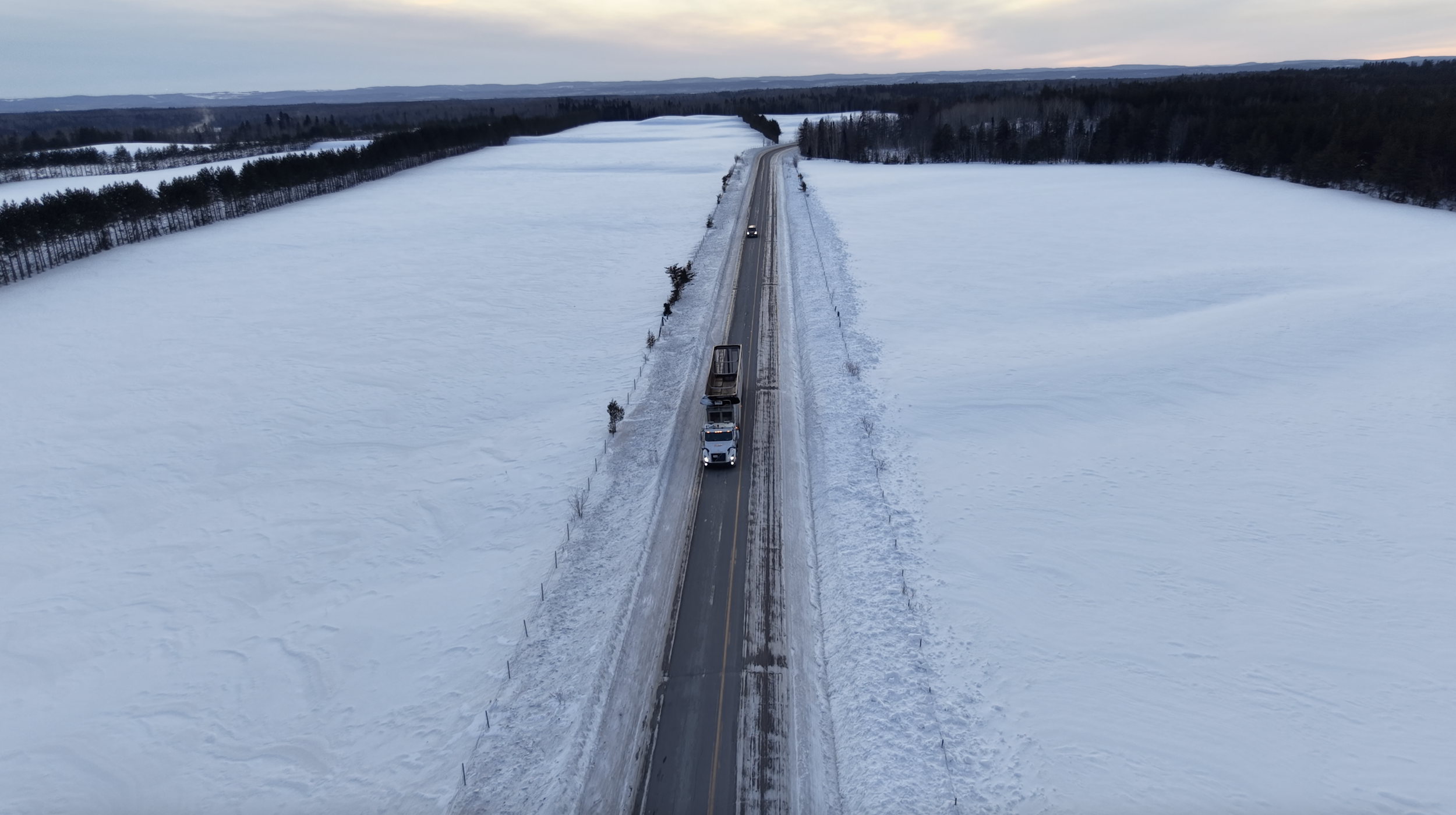
Figure 2: NuPort truck driving autonomously along the forestry route for Domtar
As operations progressed, system performance stabilized across object detection, lane detection, and route planning. The vehicle navigated on paved public roads, maintained lane positioning across shifting terrain, and executed autonomous decisions under live environmental conditions, including bridge crossings.
Despite snowfall and icy road conditions that obscured lane markings and reduced surface traction, NuPort’s Physical AI system maintained operational reliability. The system was able to account for reduced visual contrast and partial sensor occlusion, leveraging sensor fusion to preserve accurate object and terrain detection.
Simultaneously, adaptive control algorithms adjusted speed, braking, and steering inputs in response to its environment, enabling stable navigation across snow-covered and low-friction surfaces. This ensured consistent route adherence and safe maneuvering, even in winter conditions that would typically degrade conventional driver-assistance performance.
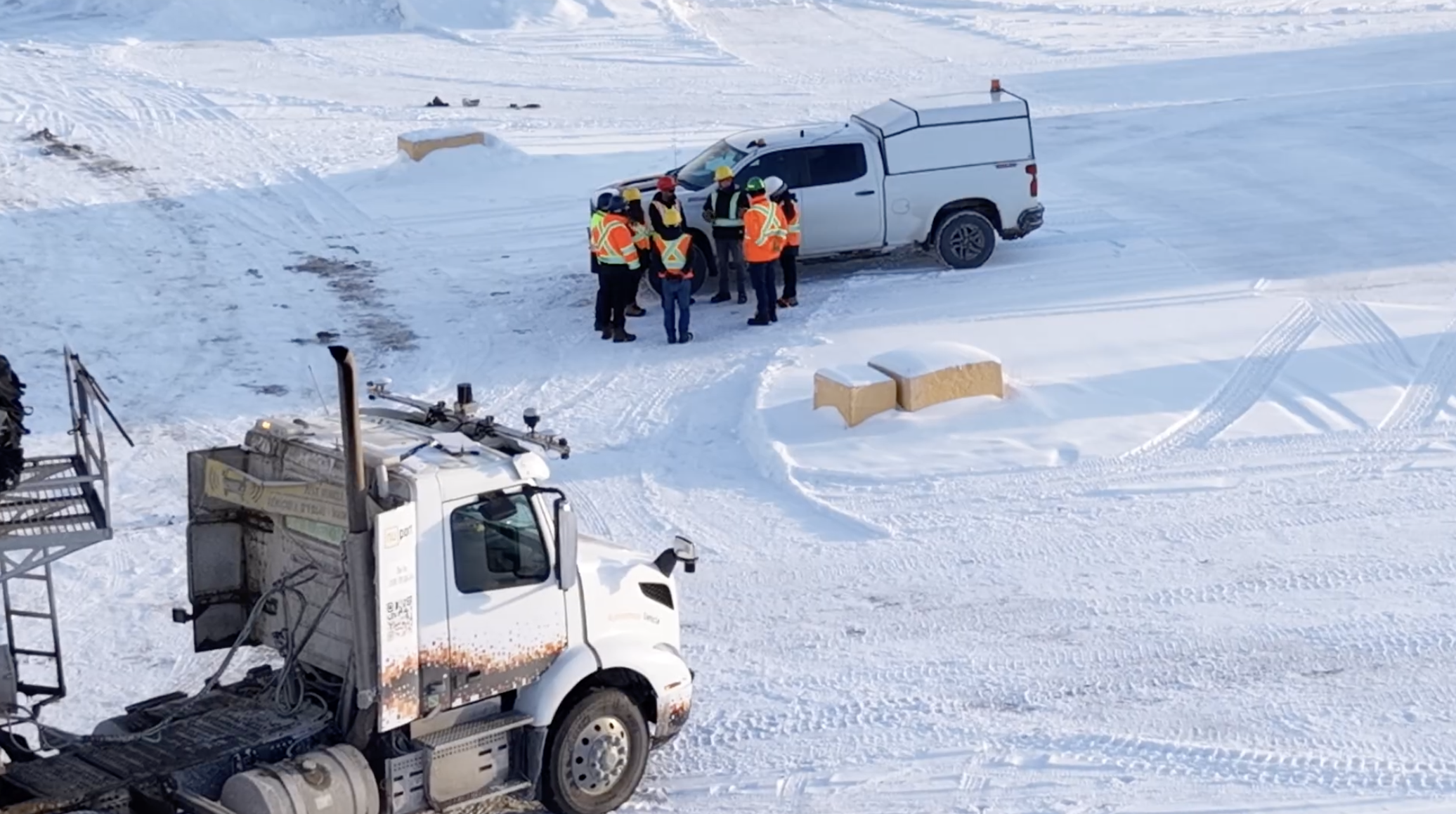
Figure 3: NuPort, Domtar and FPI team in discussions prior to a ride along
A defining component of this phase at Domtar was direct engagement with stakeholders. A portion of January operations included ride-alongs with members of the Domtar management team. These sessions were conducted during live autonomous runs rather than staged demonstrations, providing operators with firsthand visibility into how the system perceived its surroundings and responded in real time. During these ride-alongs, disengagements were minimal to none, reinforcing confidence in the system’s operational stability.
Experiencing autonomy from inside the vehicle changes the conversation. It shifts the focus from projected capability to observed performance.
Transparency extended beyond operational partners. During the January phase, representatives from Quebec regulators joined us for ride-alongs during active autonomous hauling operations. These sessions allowed regulators to directly observe perception performance, lane stability, bridge navigation, and hauling execution under live forestry conditions. Disengagements during these sessions were minimal to none.
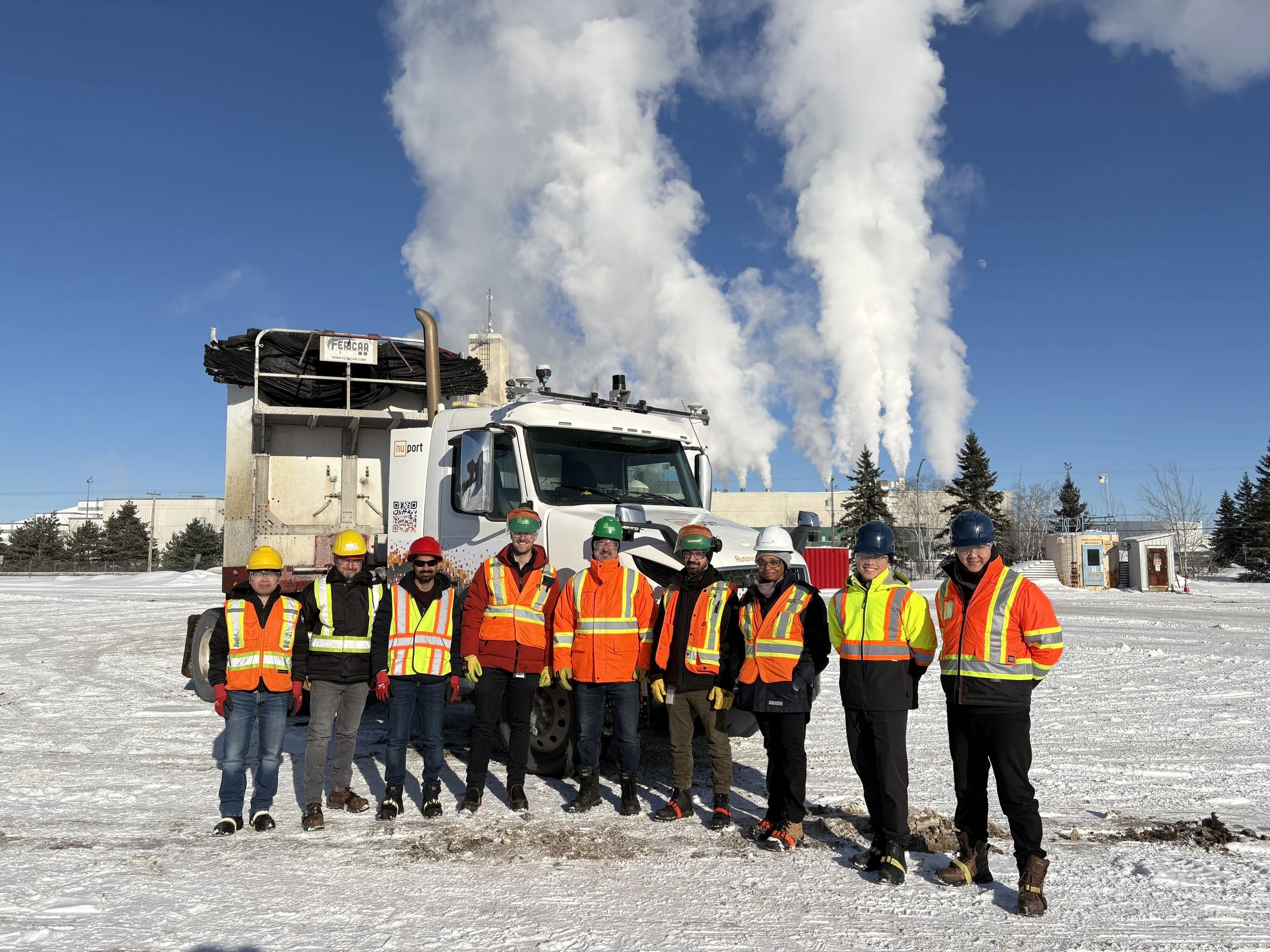
Figure 4: NuPort and FPI team showcasing autonomy technology to Domtar management
Autonomy builds trust through openness, and continued collaboration with FPInnovations ensures that this progress is both visible and accountable.
Following the success at Domtar, we continued operations at Chantiers in January, further advancing our shared objectives of mill-to-mill hauling. At Domtar, we completed comprehensive validation that included bridge testing and commercial hauling. At Chantiers, we continued refining system behavior and expanding exposure in active operational routes.
Each phase of work strengthens system maturity and deepens stakeholder confidence. We are demonstrating that autonomous operations can move beyond controlled pilots and operate within real-world workflows.
The progress at Domtar represents another meaningful step forward.
And we will continue building on that momentum together.