
NuPort Completes Autonomous Trucking Validation with FPInnovations and Chantiers Chibougamau
One of the industries where autonomous trucking has the potential to deliver impact is the forestry sector. Transportation accounts for a large portion of fibre costs in forest operations. Logs are transported across remote, unpaved, and weather-affected roads, where labor availability, safety, and efficiency are persistent challenges.
Recognizing this opportunity, FPInnovations engaged NuPort to demonstrate its autonomous trucking technology with two of its partners, Domtar and Chantiers Chibougamau. In December 2025, NuPort started the initial phase of autonomous trucking demonstration at Domtar for FPInnovations, showcasing the performance of its technology in transportation of forest products. Building on that success, NuPort continued its work at Chantiers Chibougamau, extending the testing and demonstration of autonomy to additional road conditions and operational scenarios.
“In Canada especially, FP Innovation's member companies’ forestry operations take place in some of the most unpredictable weather conditions in the world, with snow, sleet, ice, and moisture constantly changing the driving environment,” said Raghavender Sahdev, CEO of NuPort. “Demonstrating autonomy here is about answering the hardest questions around safety, reliability, and performance when conditions are far from ideal.
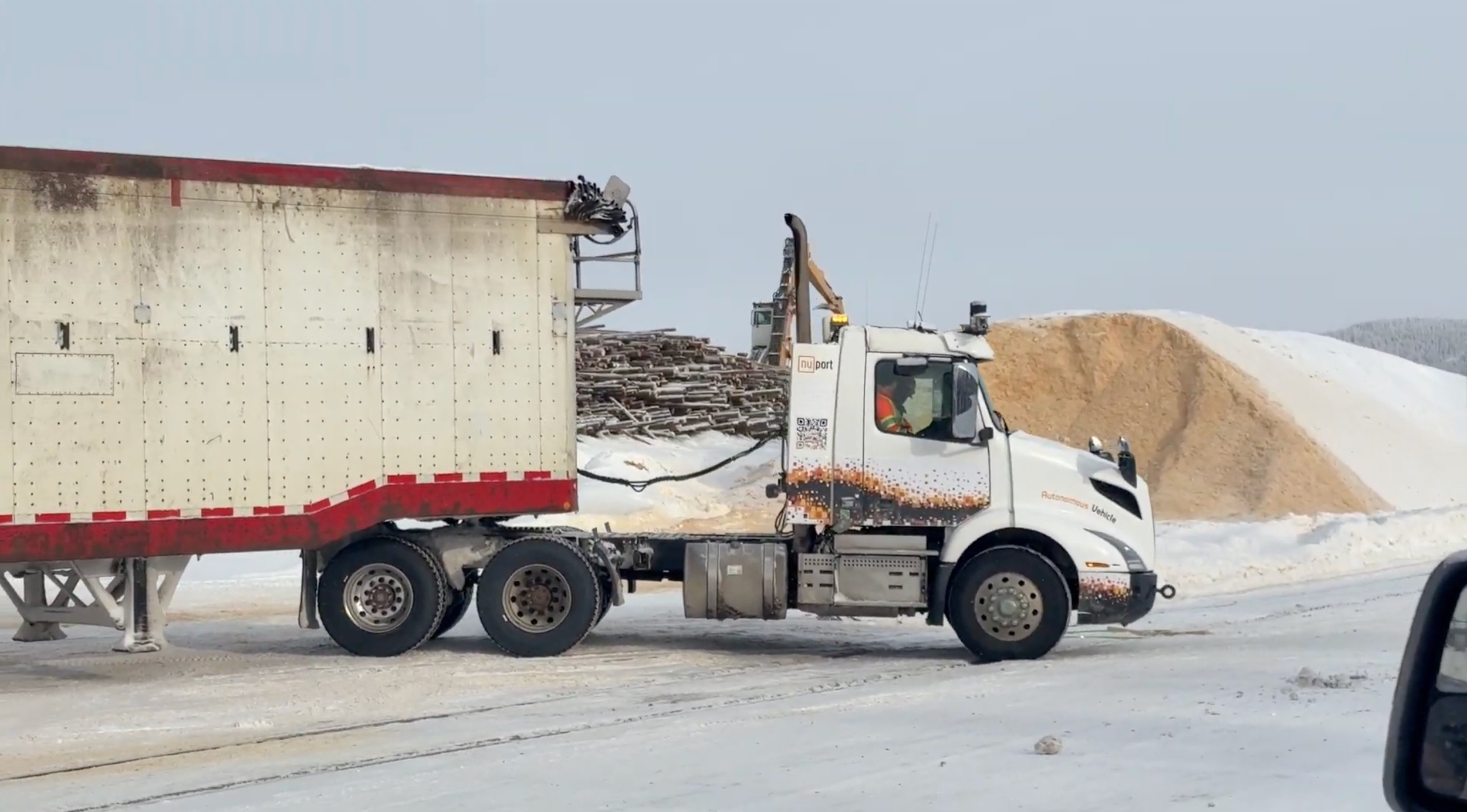
Figure 1. NuPort truck operating in snow on Chantiers Chibougamau site
More about the forestry industry
The Forestry roads introduce challenges that directly stress the core subsystems of an autonomous trucking stack. Perception systems must operate with limited visual structure, as unpaved surfaces, snow, moisture, and debris reduce contrast and obscure road edges and lane cues. In these conditions, autonomy cannot rely on consistent markings or uniform road geometry and must maintain situational awareness despite degraded or intermittent sensor inputs.
Localization is similarly constrained. Tree cover, terrain variation, and remote locations can degrade GPS accuracy, while gravel roads lack the mapped features typically used in structured environments. Seasonal changes such as snow accumulation and freeze-thaw cycles further alter the appearance of the roadway, increasing reliance on sensor fusion and redundancy to maintain stable positioning.
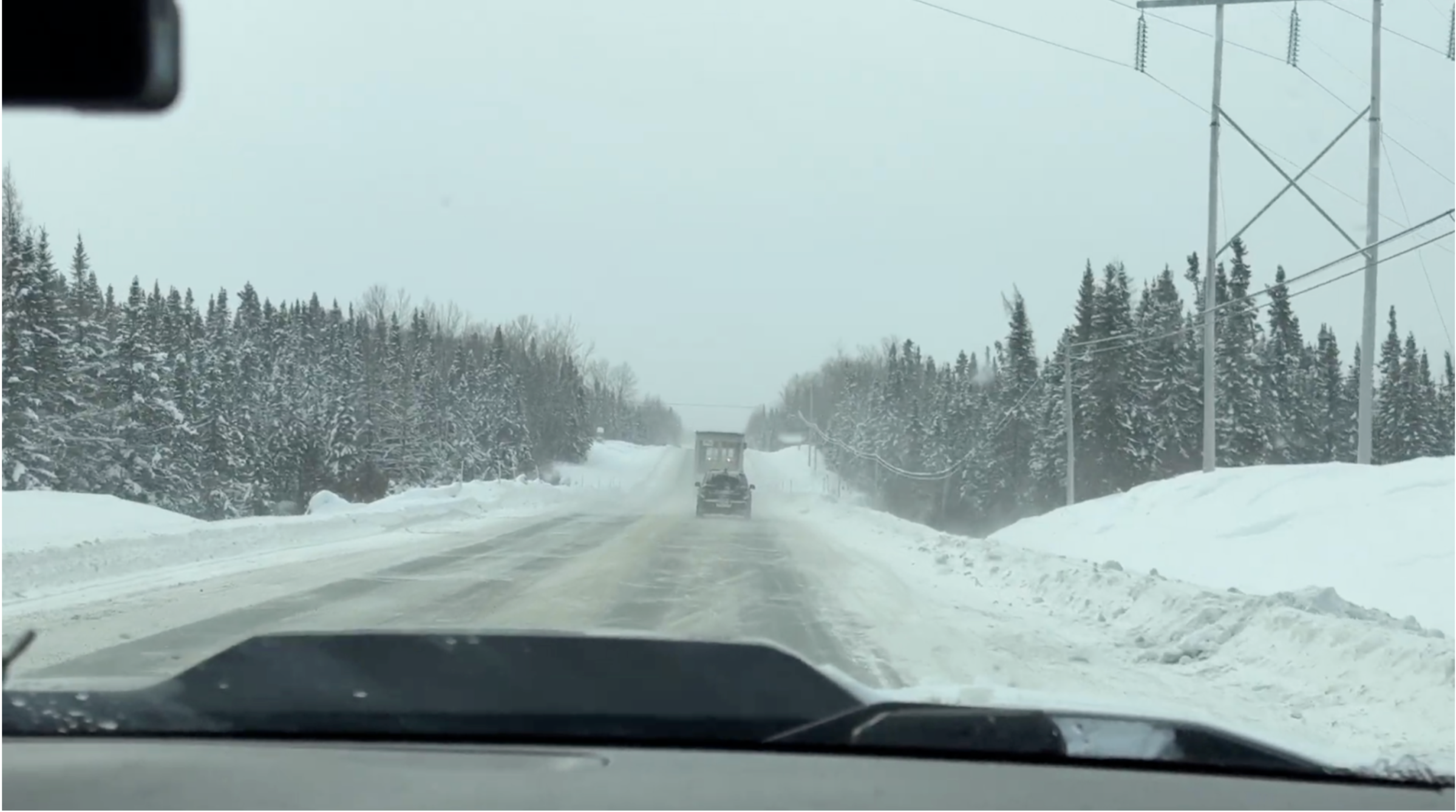
Figure 2. NuPort truck operating in the snow on Chantiers Chibougamau site
Control systems must continuously adapt to highly variable traction. Ice, packed snow, mud, and uneven gravel surfaces introduce non-linear vehicle dynamics that affect braking, steering, and longitudinal control, particularly when operating across different load states and trailer configurations.
NuPort Delivers on Exceptional Results
At Chantiers Chibougamau, NuPort showcased its autonomous trucking platform across these constraints through planned SAE Level 2 testing in bobtail, empty trailer, and loaded trailer configurations. The system demonstrated stable speed control, and predictable trajectory execution under real operational scenarios and winter conditions. Robustness was further validated through simulations of degraded GPS, loss of cellular connectivity, and sensor faults, alongside live remote monitoring of vehicle state, autonomy mode, and sensor health.
Across more than 1,200 kilometers of autonomous driving under real-world winter conditions, including severe cold temperatures (going as cold as -40 degrees Celsius), NuPort demonstrated that its Physical AI technology stack including, perception, localization, and control systems can operate safely and consistently despite environmental uncertainty. This performance underscores the importance of mill-to-mill delivery as a critical validation environment for autonomous trucking.
Figure 3. Close look at NuPort UI
NuPort’s autonomy integration is customer-first. We design and deploy systems that perform to specifications, whether operating under clear California skies or in harsh Arctic conditions.
The results from Chantiers Chibougamau establish a foundation for how autonomous trucking can be incrementally deployed within forestry operations under real-world constraints. As autonomy continues to mature, the focus shifts from proving individual capabilities to scaling performance across routes, seasons, and operational complexity.
NuPort aims to play a central role in this transition by applying proven autonomy to transport forestry product.
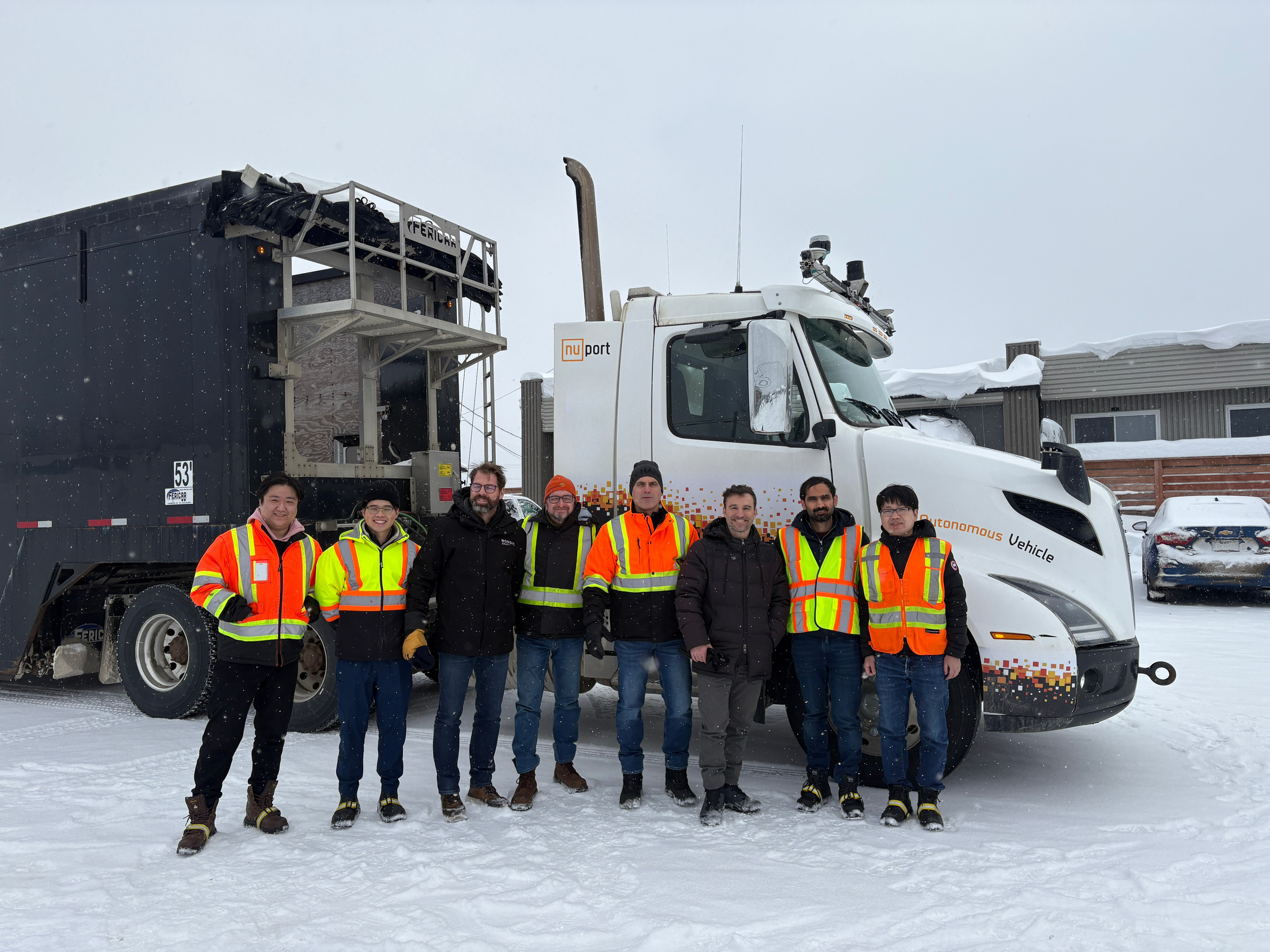
Figure 4. FPInnovations, Chantiers Chibougamau and NuPort team involved at the demo in Chibougamau
For NuPort, the next phase involves expanding validation across additional forest operational scenarios, increasing exposure to diverse weather and surface conditions, and deepening integration with existing operational workflows. This includes refining performance across longer haul distances, variable payloads, and extended operating windows, while maintaining a safety-first deployment model centered on human oversight and controlled autonomy scope.
Looking forward, continued collaboration with industry partners such as FPInnovations and Chantiers Chibougamau will be critical to shaping how autonomy is adopted within forestry logistics. By validating autonomy in challenging, public road networks today, NuPort is helping define a practical path toward safer, more resilient, and more efficient transportation solutions for the forestry industry tomorrow.