NuPort Advances Autonomous Freight Testing at Canada’s Border Infrastructure
How NuPort tested autonomous trucking at Canada’s border infrastructure in Sarnia, Ontario
Cross-border freight is one of the most demanding environments in transportation. It extends beyond highway driving into spaces shaped by infrastructure, regulation, traffic flow, gates, inspections, and constant interaction with other vehicles. For autonomous trucking, these are the conditions that matter most.
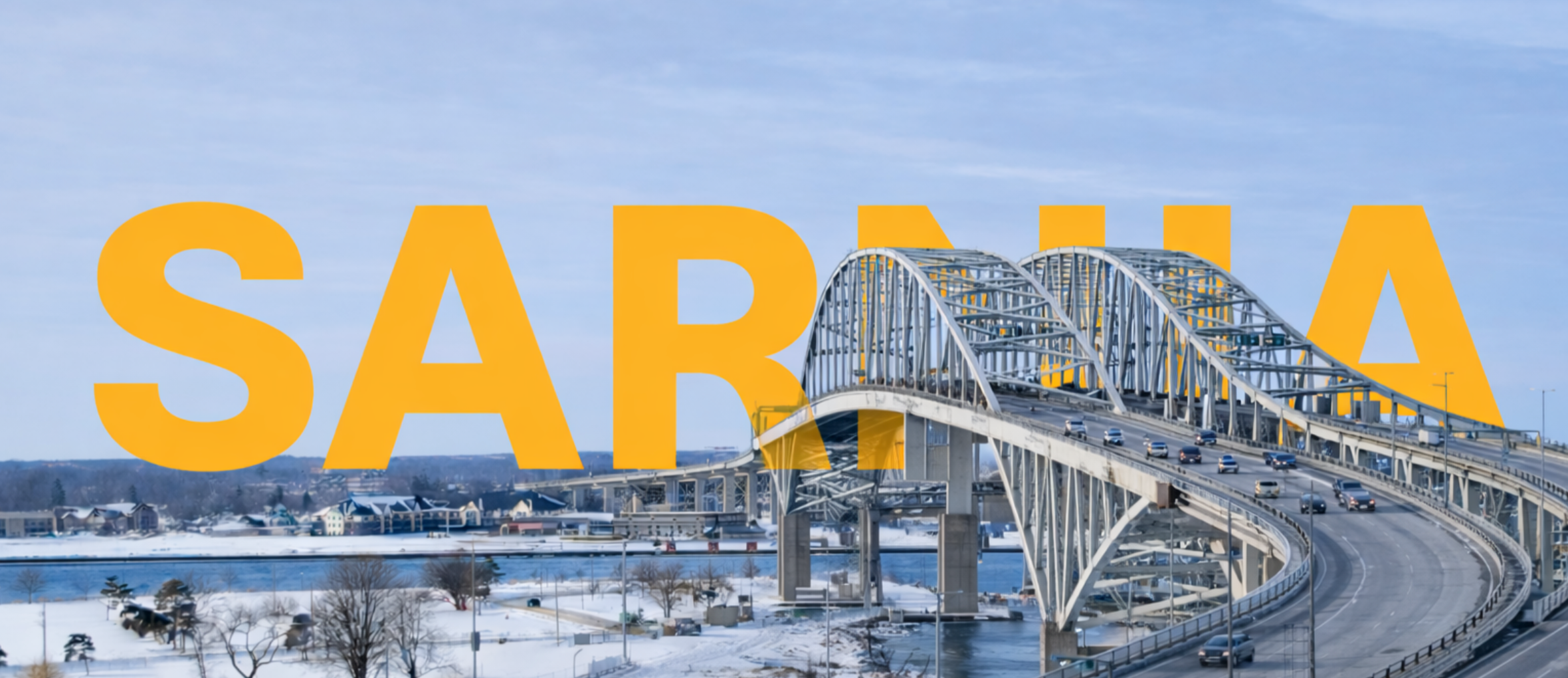
That is why NuPort’s recent project in Sarnia, Ontario represents an important step forward. From February 2025 through January 2026, NuPort Robotics conducted a truck platooning and autonomous freight project in the Blue Water Bridge area, supported by OCI’s OVIN program and in collaboration with The Federal Bridge Corporation Ltd. The work focused on understanding how autonomous systems perform in a border-adjacent environment where operational complexity defines how freight moves in practice.
A First Step into Border-Adjacent Autonomy
For NuPort, this project marked an important first. To our knowledge, this is the first time autonomous truck testing has been conducted with The Federal Bridge Corporation Ltd. in the Canadian border operating environment around the Blue Water Bridge. As a result, the project represents an early step toward validating how autonomous systems can operate within real-world freight infrastructure.
“Projects like this are important because they help us better understand how emerging freight technologies may interact with critical border infrastructure in a real operating environment,” said Joe DeDecker, CEO of The Federal Bridge Corporation Ltd..
Testing in a Real Freight Environment
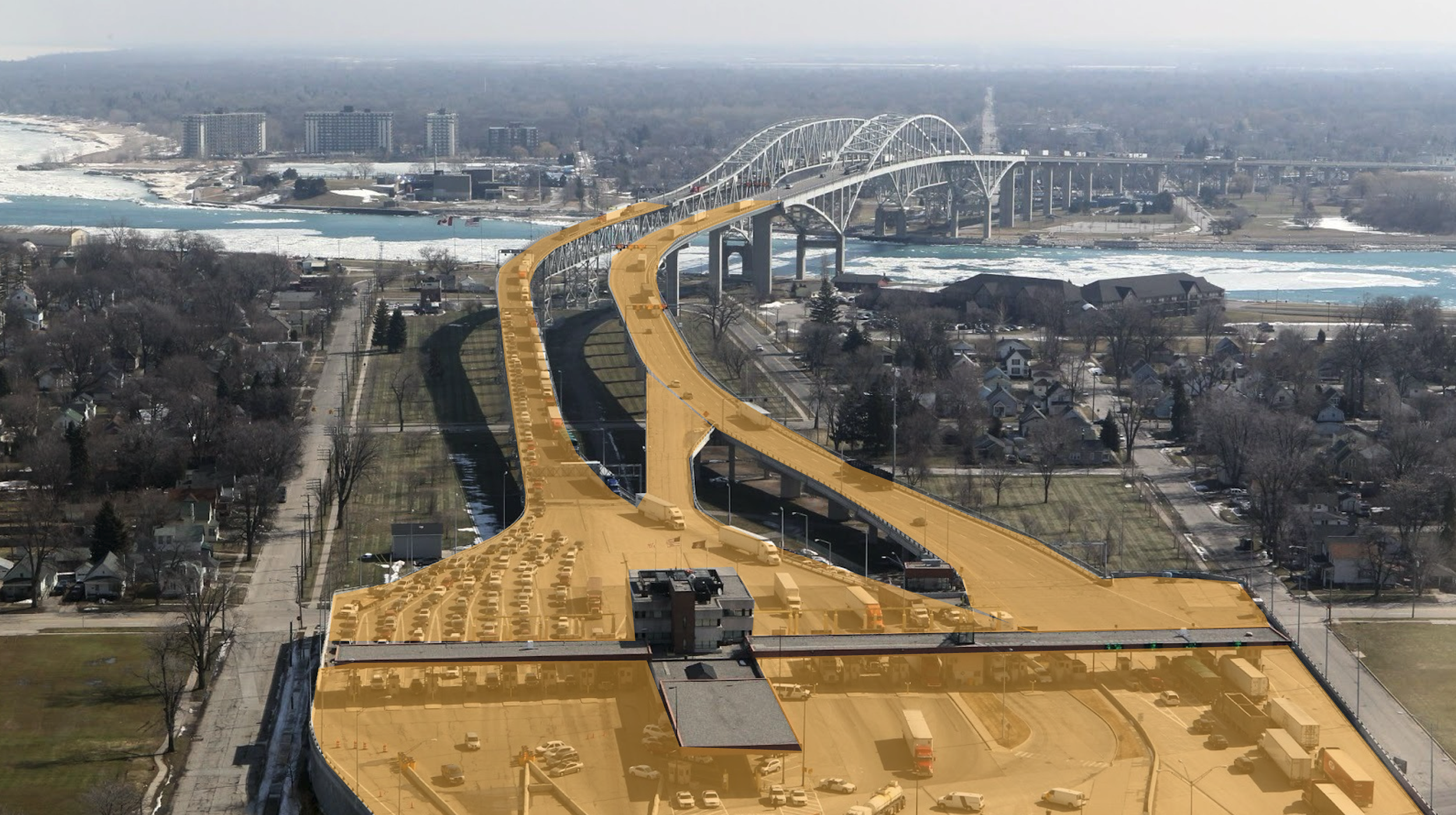
The project was designed with future cross-border freight operations in mind, including platooning scenarios between Sarnia and Detroit. Initial work focused on the Canadian side of the corridor, enabling NuPort to concentrate on one of the most operationally complex segments of the route.
NuPort carried out site evaluations, data collection, and both manual and autonomous driving tests, culminating in a live demonstration within the Blue Water Bridge corridor. The focus was not distance, but behavior under real operating constraints.
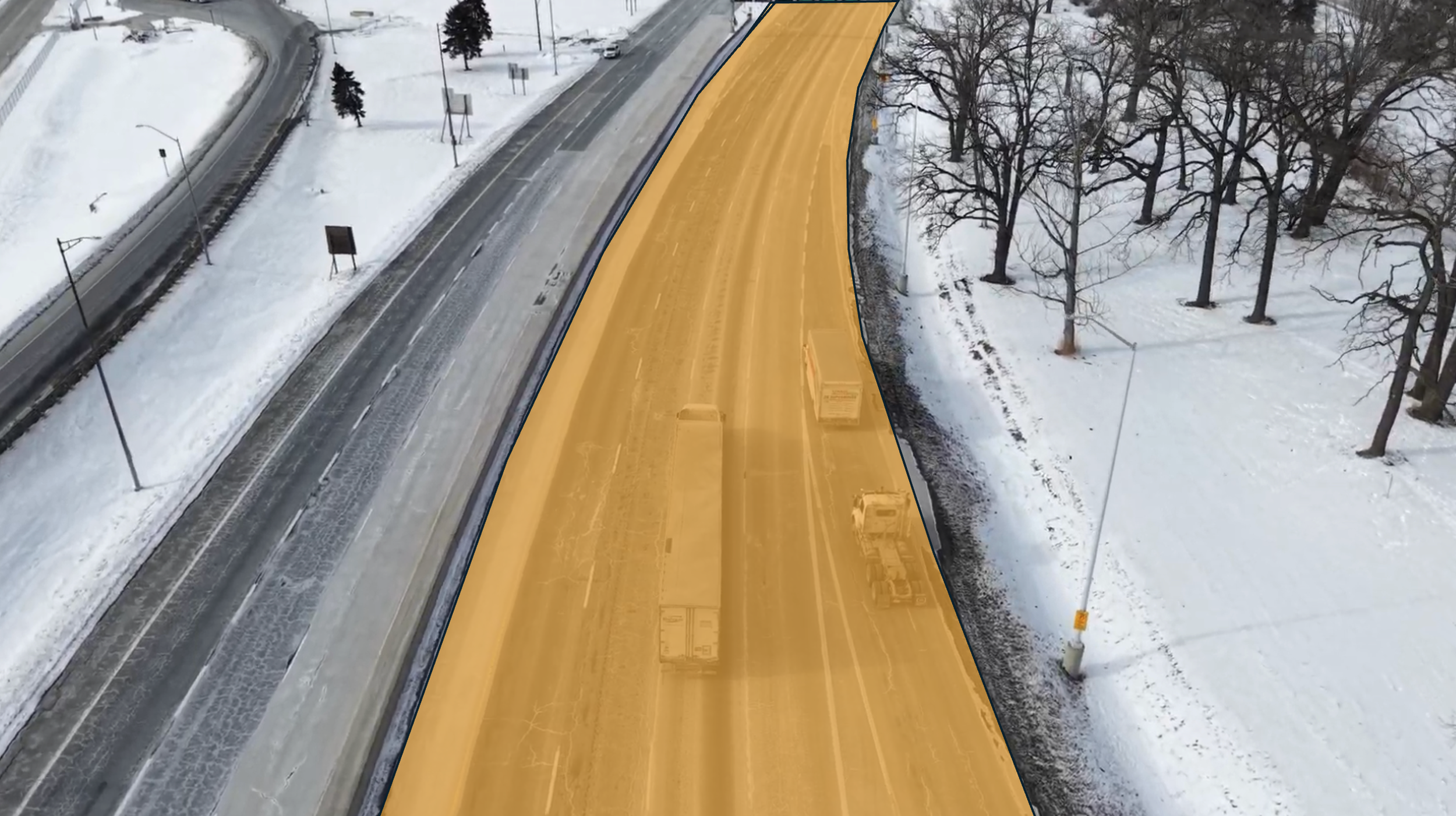
In practice, this meant navigating stop-and-go congestion near customs queues, handling constrained lane geometry, and responding to unpredictable vehicle interactions in tight spaces. These are the conditions that define freight operations, and where consistent, context-aware decision-making is required.
Validating Autonomy and Platooning
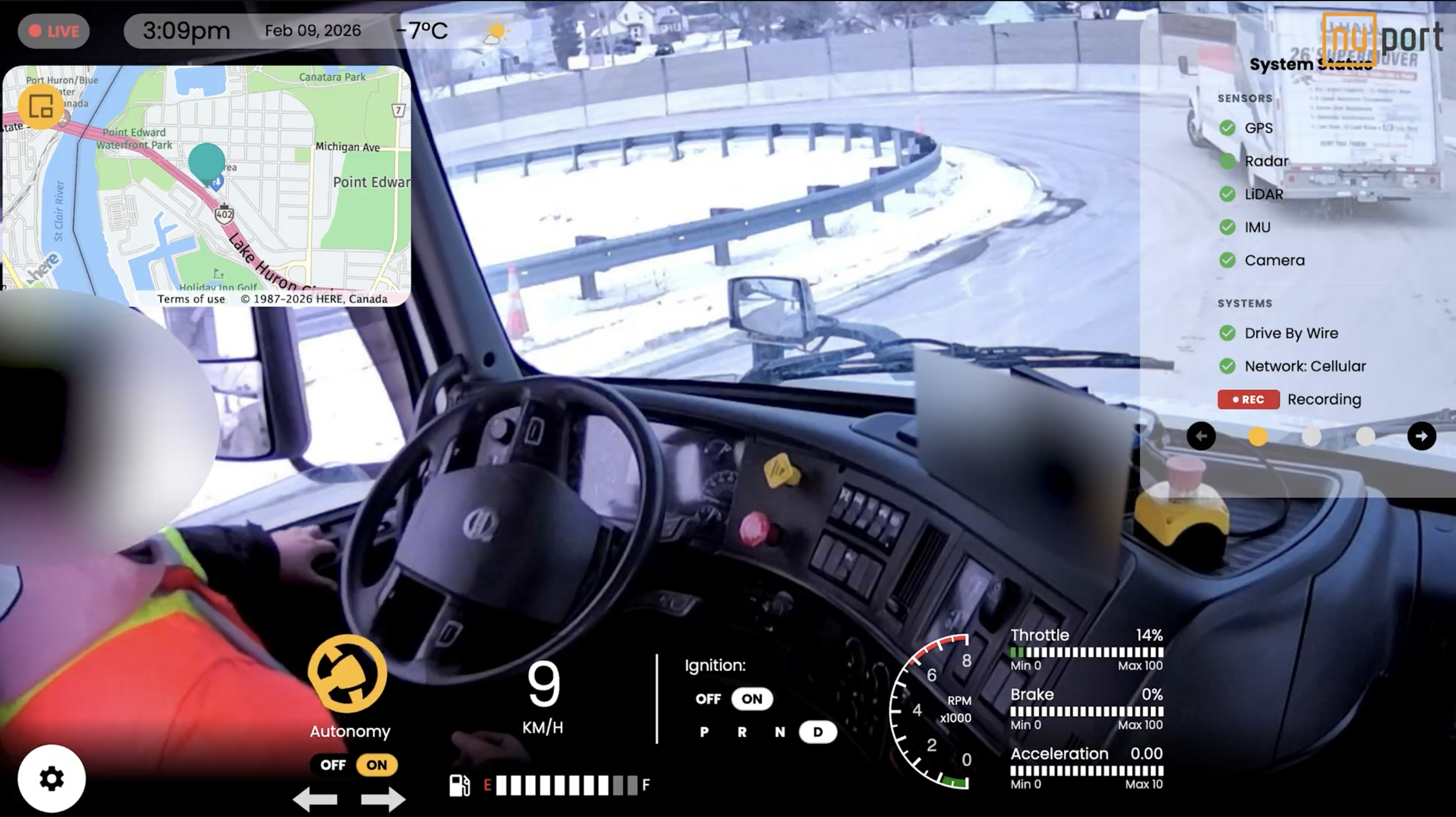
Alongside its autonomous vehicle testing, NuPort also demonstrated truck platooning within the same environment. Autonomous truck platooning involves a human-driven lead vehicle with a following truck operating autonomously in coordination, enabling more efficient and scalable freight movement.
A U-Haul truck served as the lead vehicle, while a retrofitted Class 8 truck followed autonomously behind it with a safety driver onboard. The system maintained consistent spacing and responsiveness throughout the route.
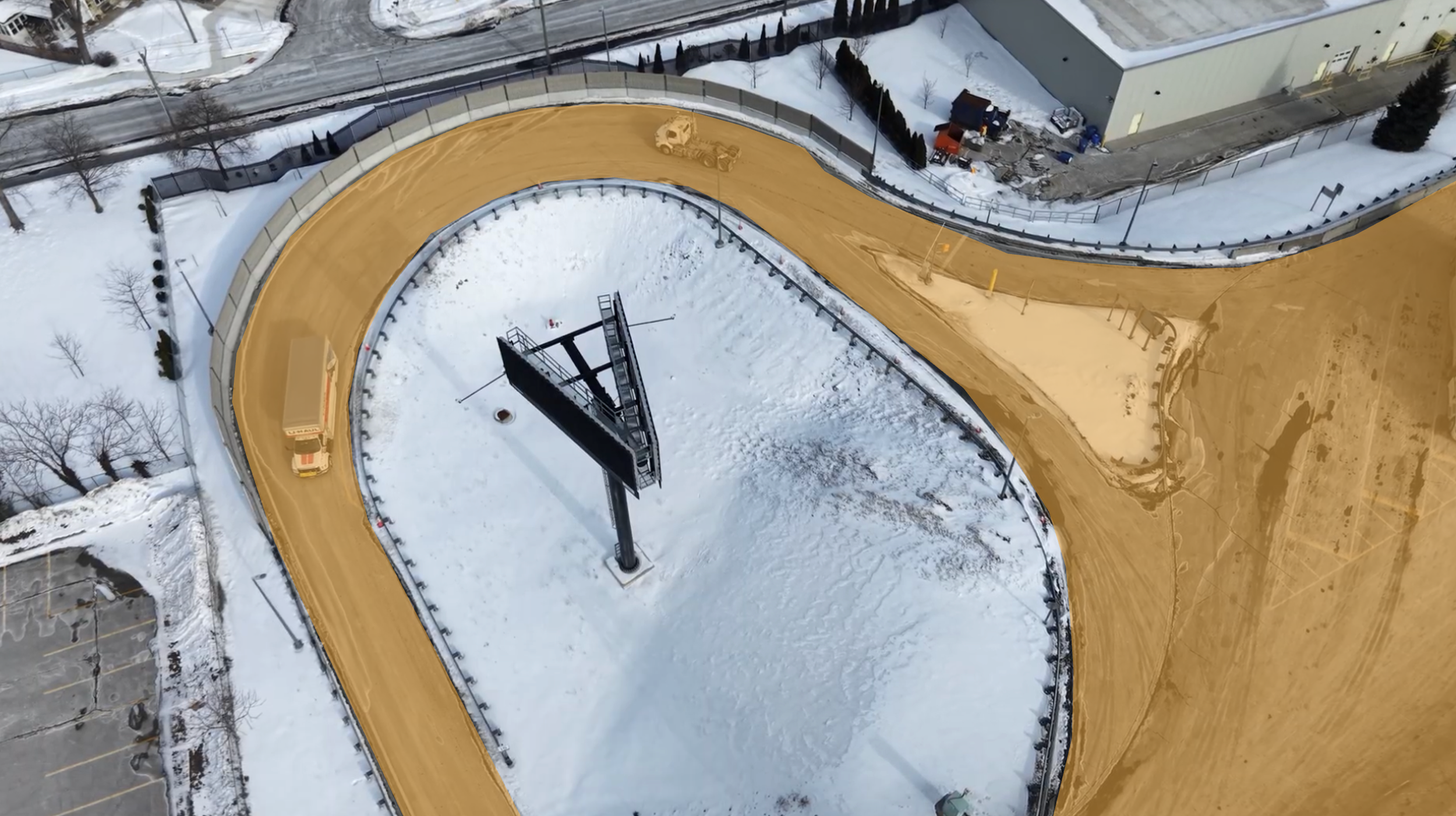
By evaluating both standalone autonomy and platooning under identical conditions, NuPort demonstrated how multiple deployment models can operate within the same real-world environment. Platooning, in particular, provides a practical pathway for introducing autonomy in long-haul and structured routes while maintaining operational flexibility.
Why Border Infrastructure Matters
Border environments introduce a higher standard of performance for autonomous systems. These environments operate at the intersection of public safety, national regulation, and commercial freight movement, where every interaction must align with established infrastructure and operational frameworks.
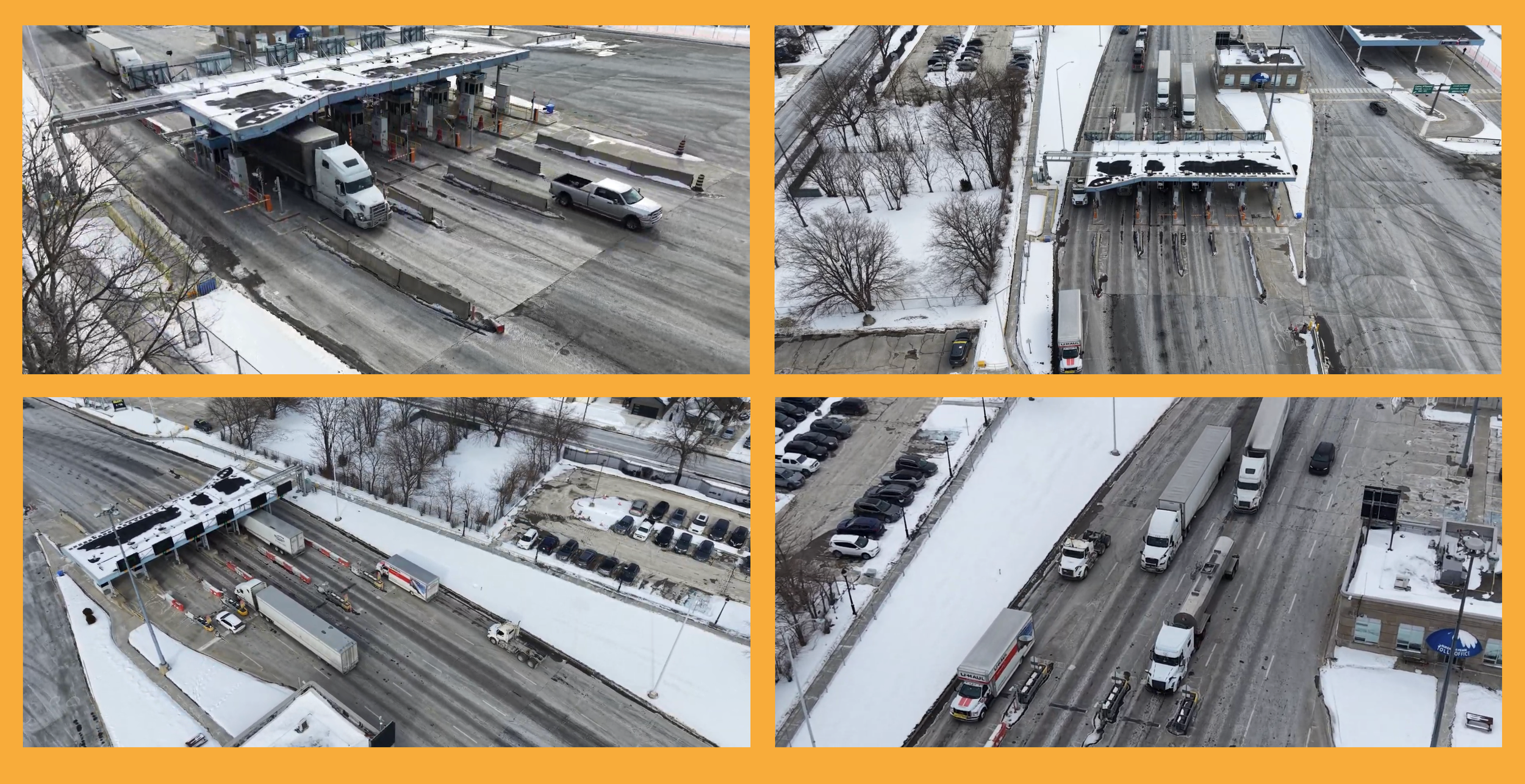
Vehicles must navigate enforcement zones, inspection areas, and controlled access points while adapting to traffic patterns shaped by both policy and physical constraints. In this context, success is defined not just by navigation, but by integration and consistency.
This is where autonomous freight transitions from experimentation to deployment.
Physical AI in Practice
For NuPort, this project reflects a focus on deploying autonomy in environments where it must meet real operational standards.
Physical AI extends beyond perception and navigation. It requires systems to understand context and make reliable decisions within dynamic, high-interaction environments.
“This project mattered because it moved our technology into one of the most operationally relevant environments in freight,” said Raghavender Sahdev, CEO of NuPort Robotics.
NuPort’s approach is built around retrofitting existing Class 8 trucks with sensors, onboard compute, and proprietary AI software, enabling deployment within real operations today. Whether operating independently or in a platooning configuration, the goal is to deliver autonomy that integrates into existing freight systems.
What This Means for Freight
The Sarnia project reflects how autonomous freight will scale. Progress will come through continuous validation in environments where freight already operates and where reliability is required every day.
Border infrastructure represents a critical proving ground, where systems must align with infrastructure, regulation, and operational expectations. The future of autonomous trucking will be defined by how well systems perform in these environments.
For NuPort, this is the path forward.
NuPort is building physical AI systems for freight—systems designed to perceive, understand, and operate within the real-world conditions that define how goods move. This means delivering value not only for the technology itself, but for operators, infrastructure owners, regulators, and the broader supply chains that depend on them.
And in Sarnia, NuPort took another step toward making that a reality.